An analytical look at the invisible institutional infrastructure and shared services networks that dictate the survival of global mega-projects in an age of disruption.
By Ehab Soltan
HoyLunes – Imagine an empty stretch of desert or an untouched coastline transformed, almost overnight, into a hyper-connected tourist hub. For decades, the global framework for tourism development has relied on this single visual promise: build the airports, lay the roads, erect the luxury hotels, and the world will arrive. Yet, the shifting geopolitical landscapes and macroeconomic shocks of our time have exposed a critical vulnerability in this traditional model. Physical infrastructure, no matter how monumental or well-funded, is fundamentally static. History offers too many examples of airports, ports, industrial zones, and even entire cities that were completed successfully, yet failed to generate lasting economic relevance. Construction, after all, solves a physical problem. Resilience solves a temporal one. When global travel corridors shift or regional complexities arise, concrete cannot pivot. The modern challenge for emerging destinations is no longer whether they can build, but whether their internal systems can adapt.
The Invisible Grid: Beyond Physical Assets
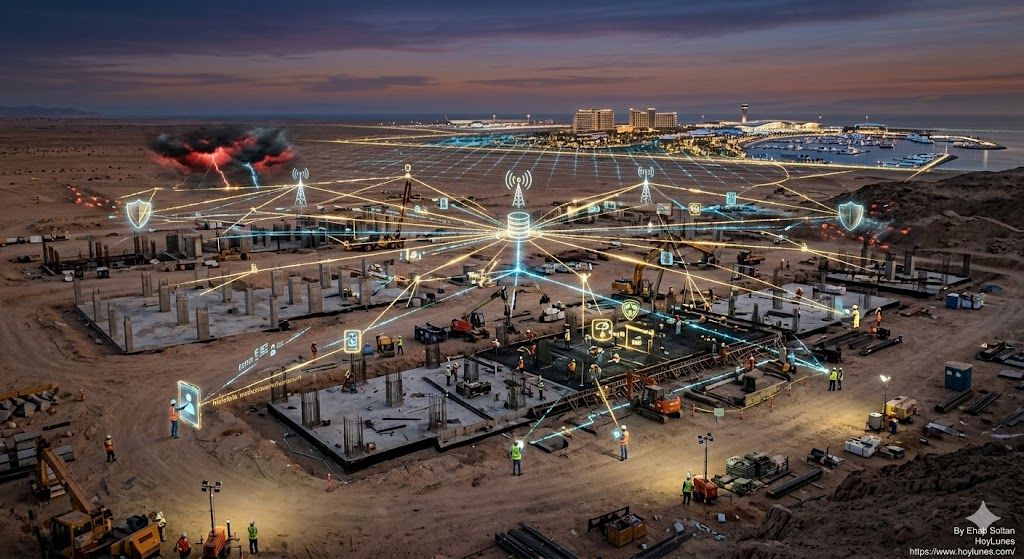
To understand how large-scale projects maintain momentum under global headwinds, we must look away from the construction sites and peer into the institutional machinery operating behind them. While global media focuses heavily on the physical assets of mega-projects like NEOM, AlUla, or the Red Sea Project, the critical mechanism shielding these developments takes place in the quiet of the back-office.
When a sudden supply chain disruption occurs—whether a regional conflict altering international logistics or a sudden shift in travel corridors—a fragmented administrative system fractures under the pressure. In contrast, the consolidation of administrative resources and Shared Services within entities like the Saudi Tourism Authority (STA) acts as an important mechanism for continuity. By centralizing procurement, technological infrastructure, and resource allocation, the ecosystem begins to function like an air traffic control system for institutional assets. The real advantage here is not mere efficiency; it is visibility. Institutions make better decisions when leaders can see resources, constraints, and vulnerabilities across the entire system rather than inside isolated organizational silos. Instead of forcing each project to compete for scarce resources during a crisis, this centralized framework allows decision-makers to reallocate capital and contracts in real time, achieving a significant level of operational flexibility.
“The real advantage is not efficiency; it is visibility. Institutions make better decisions when leaders can see resources across the entire system rather than inside isolated organizational silos”.
The Human Component as Risk Management
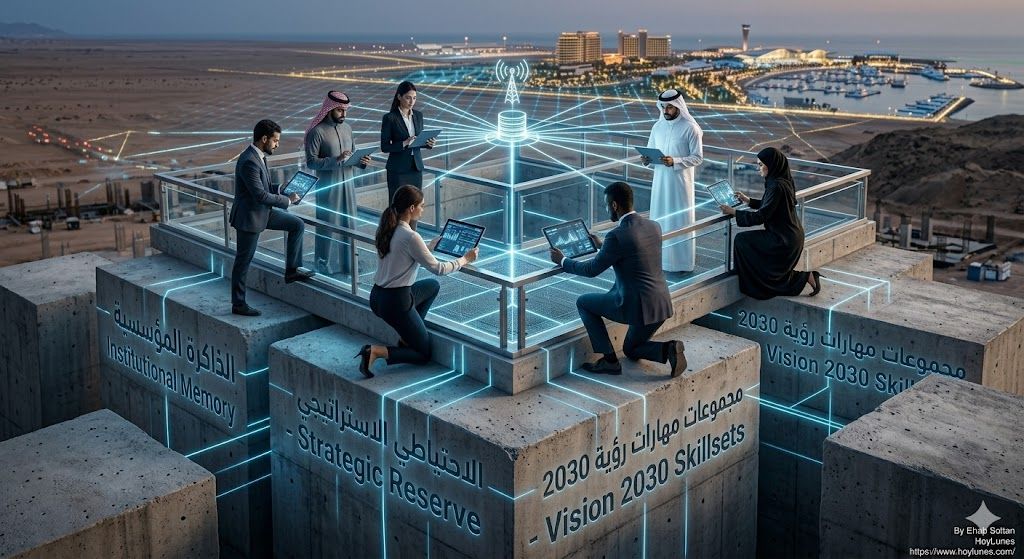
Tourism infrastructure is often discussed in terms of transport networks and hospitality venues. Yet large projects ultimately depend on the people who operate, maintain, and adapt those systems. Local workforce development therefore becomes a form of risk management as much as an employment strategy. In this sense, talent is not merely a labor input; it becomes a strategic reserve, much like energy capacity or financial liquidity. During periods of disruption, institutions often discover that skilled people are the hardest asset to replace.
When a destination relies heavily on transient international expertise, it remains highly vulnerable to sudden fluctuations in global corporate mobility or international panic. By systematically integrating and upskilling local talent, a tourism ecosystem builds a rooted institutional memory. This local workforce provides the stable, everyday continuity required to keep complex operational systems functioning when external regional variables become unpredictable.

Infrastructure vs. Institution: A 21st-Century Shift
Ultimately, the current global landscape reveals a fundamental distinction that will define the future of global travel: the profound difference between physical infrastructure and institutional infrastructure. Airports can be built. Hotels can be built. Roads can be built. Institutional trust cannot. It emerges slowly through repeated execution, reliable governance, and the ability to perform under pressure. The capacity to coordinate thousands of people, align diverse resources, streamline information, and execute complex decisions during a crisis takes decades to develop.
An important transformation is taking place in how institutional investors evaluate emerging destinations. The broader lesson extends beyond regional borders; the world is learning that the capacity to absorb macroeconomic and geopolitical shocks is not bought, but cultivated through governance and organizational design.
“Airports, hotels, and roads can be built. Institutional trust cannot. It emerges slowly through repeated execution, reliable governance, and the ability to perform under pressure”.
The defining question for the next generation of tourism development may therefore be surprisingly simple: when the next major disruption arrives, which destinations will continue functioning as systems rather than collections of projects?
The Ultimate Metric of Success
Operational resilience can protect construction schedules and maintain investor confidence in the short term. However, the ultimate measure of success for these mega-projects will not be whether they are completed on schedule, but whether they can attract repeat visitors, generate sustainable demand, and become permanently integrated into global travel behavior over the long term. Brick and mortar can create a landmark, but only institutional maturity can turn a landmark into a lasting global habit. The destinations that shape global tourism in the coming decades may not be those that build the fastest or spend the most. They may be those that learn how to adapt before adaptation becomes necessary.
#SaudiTourism #Vision2030 #SharedServices #CorporateResilience #TourismStrategy #NEOM #RedSeaProject #DestinationManagement #OperationalExcellence #GlobalTourism #EhabSoltan #HoyLunes